Technology
The technology layer behind future-ready fresh produce packhouses.
Agrograde’s technology is built around one of the hardest problems in fresh produce operations: making quality decisions consistent at commercial speed. Vector AI brings advanced optical inspection and defect detection to fruits and vegetables. WaveMotion brings gentle, crop-specific grading to onions without damaging the outer skin. Together, these technologies help packhouses move from manual judgment to intelligent, automated, and increasingly autonomous quality operations.
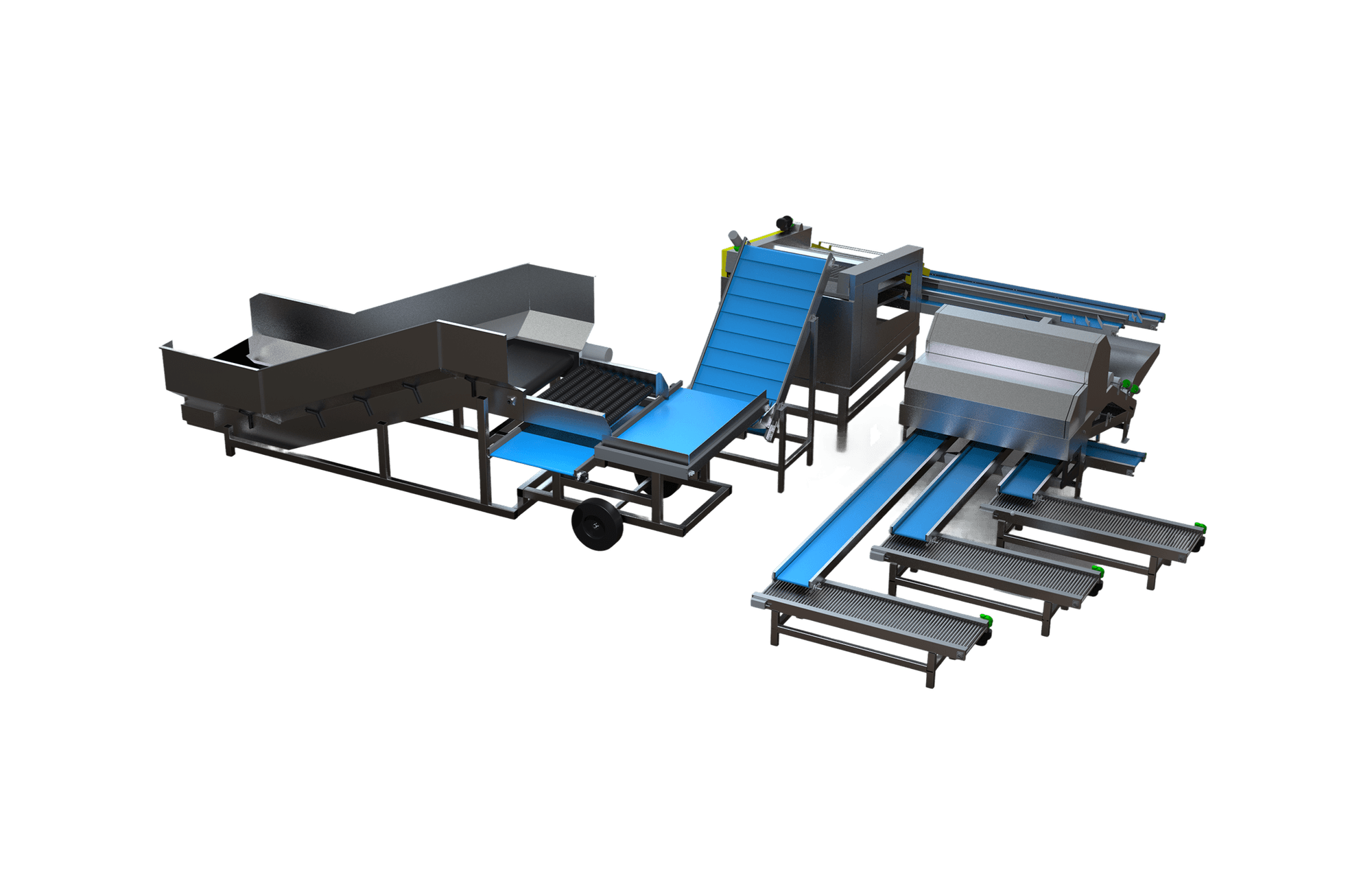
Flagship one: Vector AI
The smartest optical sorter for your produce.
India's smartest AI sorter for potatoes, built on 8 years of data used to train A.I. models.
Up to 96%
detection accuracy
Realtime
defect detection
Up to 8
images per crop
1–20 MT/hr
throughput range
The defects that drive rejection, detected consistently.
Most quality disputes begin with a small number of defect classes: rot, sprouts, greening, holes, cuts, and other visible quality issues. Manual inspection catches them inconsistently, especially across long shifts and mixed lots. Vector applies one inspection standard to every item, with up to 96% detection accuracy across tested varieties and defect types.
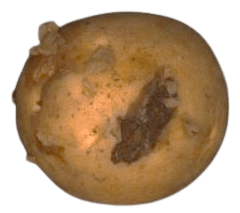
Rotten
The defect that spreads. One missed rotten item accelerates decay through the lot around it.
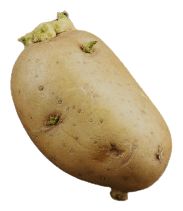
Sprouts
Identified early, including small sprouts that manual lines pass at speed.
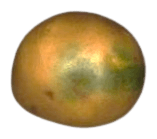
Greening
Colour variations detected across skin tones and varieties, not just on pale-skinned lots.
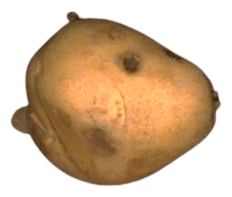
Holes
Insect damage caught before the lot is bagged.
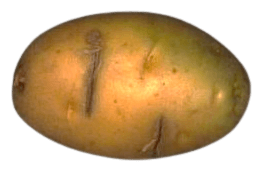
Deep cuts
Harvest and handling cuts graded by severity, not guessed from a colour zone.
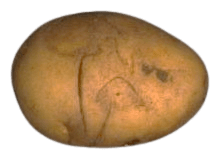
Minor cuts
Surface-level damage separated from cosmetic skin variation.
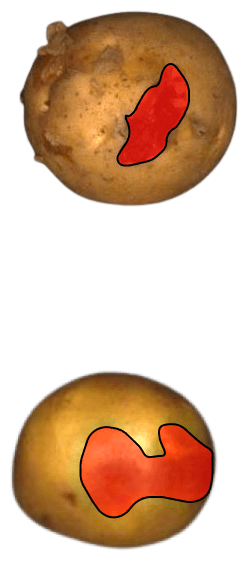
Defect segmentation beyond colour sorting.
Vector AI identifies the exact defect region on each item, analysing texture, boundary shape, location, and its relationship to the surrounding skin. This helps separate real defects from natural colour variation and improves sorting consistency across varieties and seasons.
Up to 8 images per item. Fewer blind spots.
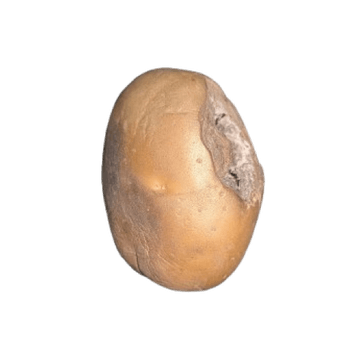
Single-view inspection leaves blind spots where defects can go unseen. Vector reduces those blind spots using a patent-pending mechanism that turns each item under industrial area-scan cameras, capturing up to 8 images per item. Each image is processed on-machine in real time, giving Vector one of the highest surface coverages in the optical sorting category.
 01
01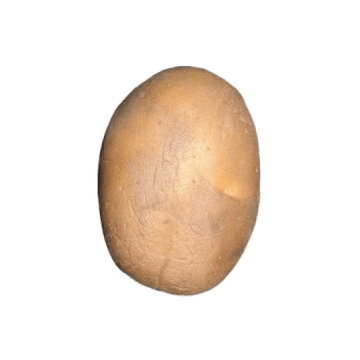 02
02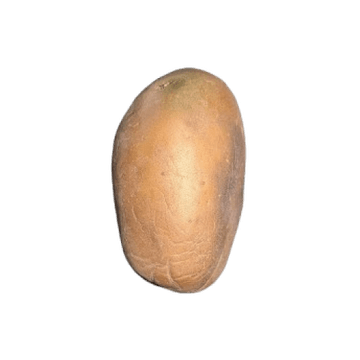 03
03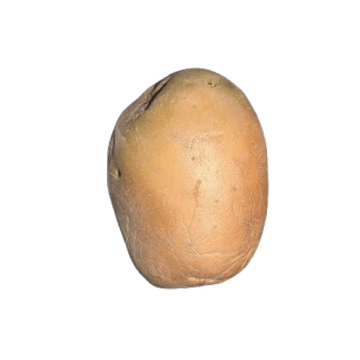 04
04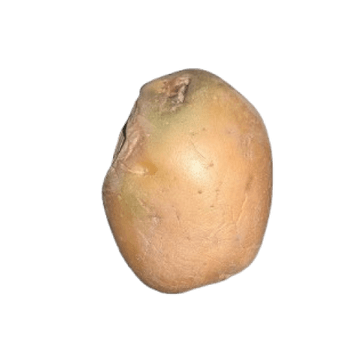 05
05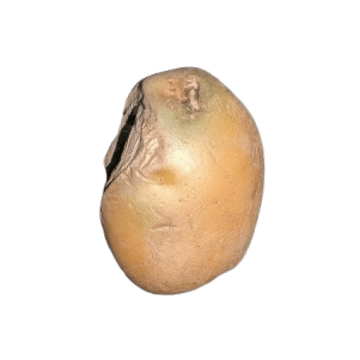 06
06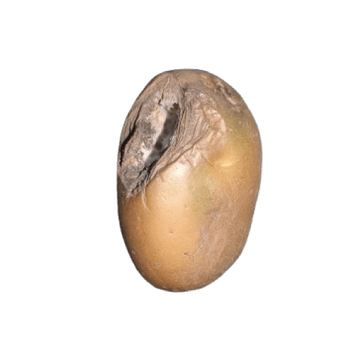 07
07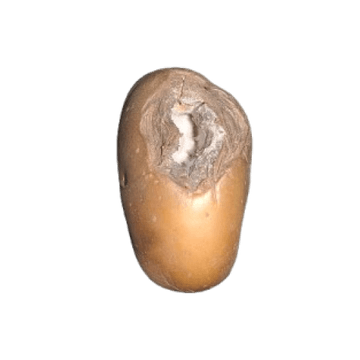 08
08Up to eight captures per item as it rotates through the vision zone.
Area-scan cameras
High-resolution industrial cameras built for continuous line duty, not adapted webcams.
On-machine compute
Deep-learning models run on the line itself. No cloud dependency, so sorting continues when the network does not.
A fraction of a second per decision
Each defect decision is made in a fraction of a second, fast enough to classify and route every item at full line speed.
Crop-specific vision for real produce variability.
Every crop behaves differently on a sorting line. Vector is designed around crop shape, skin texture, turning behaviour, and defect signatures, enabling consistent inspection across crops such as potato, onion, and tomato. The platform can be configured for new lines or integrated into existing packhouse workflows.
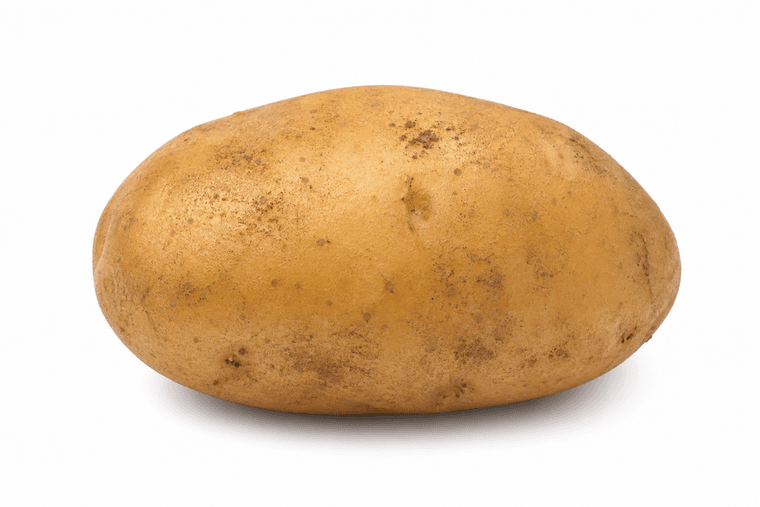
Potato
Rot, sprouts, greening, holes, and cuts on unwashed, mixed-variety lots, 1–20 MT per hour.
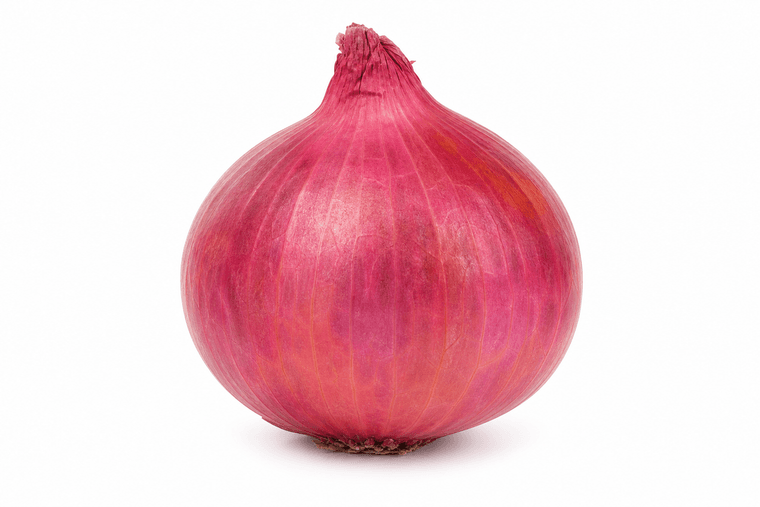
Onion
Black smut, skin-out, sprouting, and rot removed before storage, with handling tuned for loose skin.
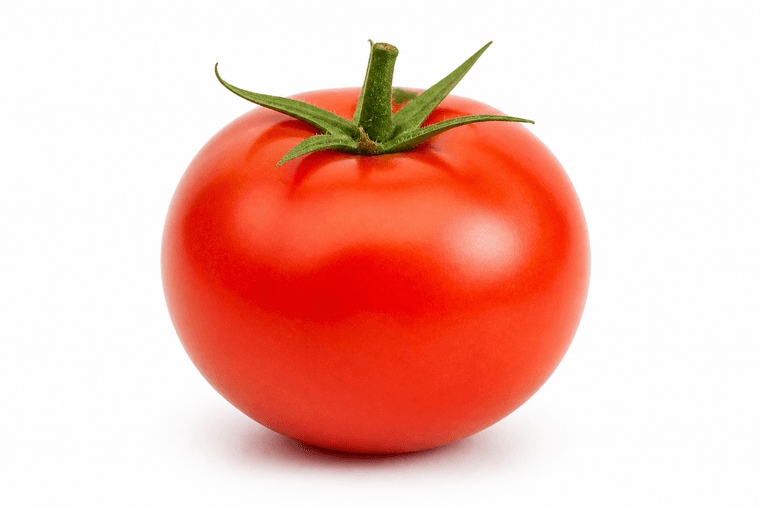
Tomato
A vision unit designed for the shape of the crop, with gentle handling for soft produce.
Mixed varieties without constant recalibration.
Skin texture, baseline colour, and defect signatures change across varieties, seasons, and growing regions. Vector's models are built on 8 years of data used to train A.I. models across this variability, helping the same machine handle multiple varieties in the same shift with minimal changeover effort.
Fast rejection, gentle handling.
Once a defect is identified, the rejection system diverts the item into the reject stream at line speed. The mechanism is designed to maintain throughput of up to 20 MT per hour while handling produce gently.
Your machine stays installed. Its intelligence keeps improving.
Every season of deployment adds new defect patterns, varietal variation, and operating edge cases. Vector's software can be updated as models improve, helping the machine stay current while the hardware remains installed on your line.
Flagship two: WaveMotion
The grading technology that finally works on onions without damaging them.
Indian onion carries a loose, papery skin that protects shelf life and holds much of the market grade. Any frictional or shearing force lifts it, which is why graders that rub produce against rollers and screens damage the produce they are meant to sort. WaveMotion is Agrograde's answer, developed over 6 years of R&D for the GradePlus Series, and it is what makes automated onion grading possible without that damage.
India's only grader that avoids skin damage to onions.
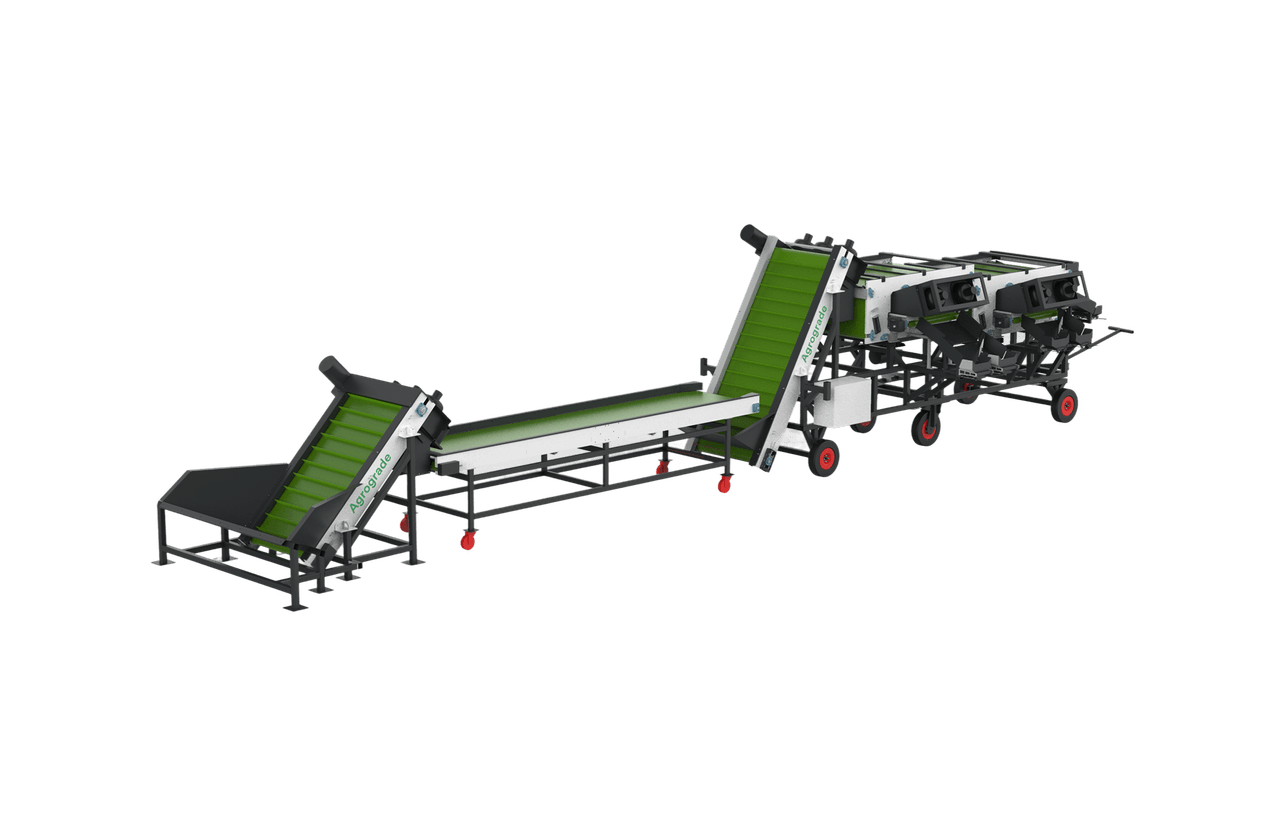
A gentle, wave-like motion. No damaging forces.
Onions move in a controlled lift-and-drop wave along laser-cut grading belts, settling into their correct size opening without being dragged or thrown. No rubbing, no skinout.
Up to 99% size accuracy
Machine grading makes the size specification objective and repeatable: 2 to 4 grades, belt sets swappable for different varieties and buyer requirements.
Built for the floor
Portable, so the machine moves to the produce instead of adding a handling step. Silent, power-efficient operation with single-button start and stop.
GradePlus Max
Compact and efficient. 4 to 6 MT per hour.
GradePlus Pro
High speed. 8 to 10 MT per hour.
GradePlus MG
Tractor-mounted. 4 to 6 MT per hour, grading wherever the produce is.
Why grade before storage at all: when onions go in ungraded, smaller bulbs settle into the voids between larger ones and choke the airflow the structure is built to provide. Across the Nashik belt, 30–40% of stored onions rot or go to waste in an average year. Uniform size preserves the air movement that decides how much of the lot survives the season.
Specifications
Configurations vary by crop and site. The figures below cover the Vector and GradePlus ranges.
Vector: throughput and handling
- Throughput range
- 1–20 MT/hr (configurable variants)
- Input size handled
- 20–160 mm
- Exits
- 2–4 customisable lanes
- Rejection mechanism
- Pneumatic actuators, calibrated for fresh produce
- Input condition
- Unwashed, unsorted, mixed-lot produce
Vector: vision and compute
- Detection accuracy
- Up to 96%
- Captures per item
- Up to 8 images
- Decision time
- Real-time (on-edge inference)
- Cameras
- Industrial high-resolution area-scan
- Compute
- On-machine deep-learning inference, no cloud dependency
- Crops
- Potato, onion, tomato
- Defects detected
- Rot, sprouts, greening, holes, deep cuts, minor cuts
Vector: operations
- Variety changeover
- No recalibration between varieties
- Software updates
- Included; detection improves with field data
- Pre-processing
- Integrated dust remover and mechanical pre-grader
- Line integration
- Retrofit-ready; works with grading, weighing, and packing lines
GradePlus: WaveMotion grading
- Grading principle
- WaveMotion belt-based grading by diameter
- Size accuracy
- Up to 99%
- Skin damage
- Zero; no frictional or shearing contact
- Throughput
- Max 4–6 / Pro 8–10 / MG 4–6 MT per hour
- Size grades
- 2–4 (belt sets swappable)
- Crops
- Onion, potato, garlic
- Mobility
- Portable; tractor-mounted MG variant available
Get in touch with our team!
Tell us your current process and challenges in grading and sorting.